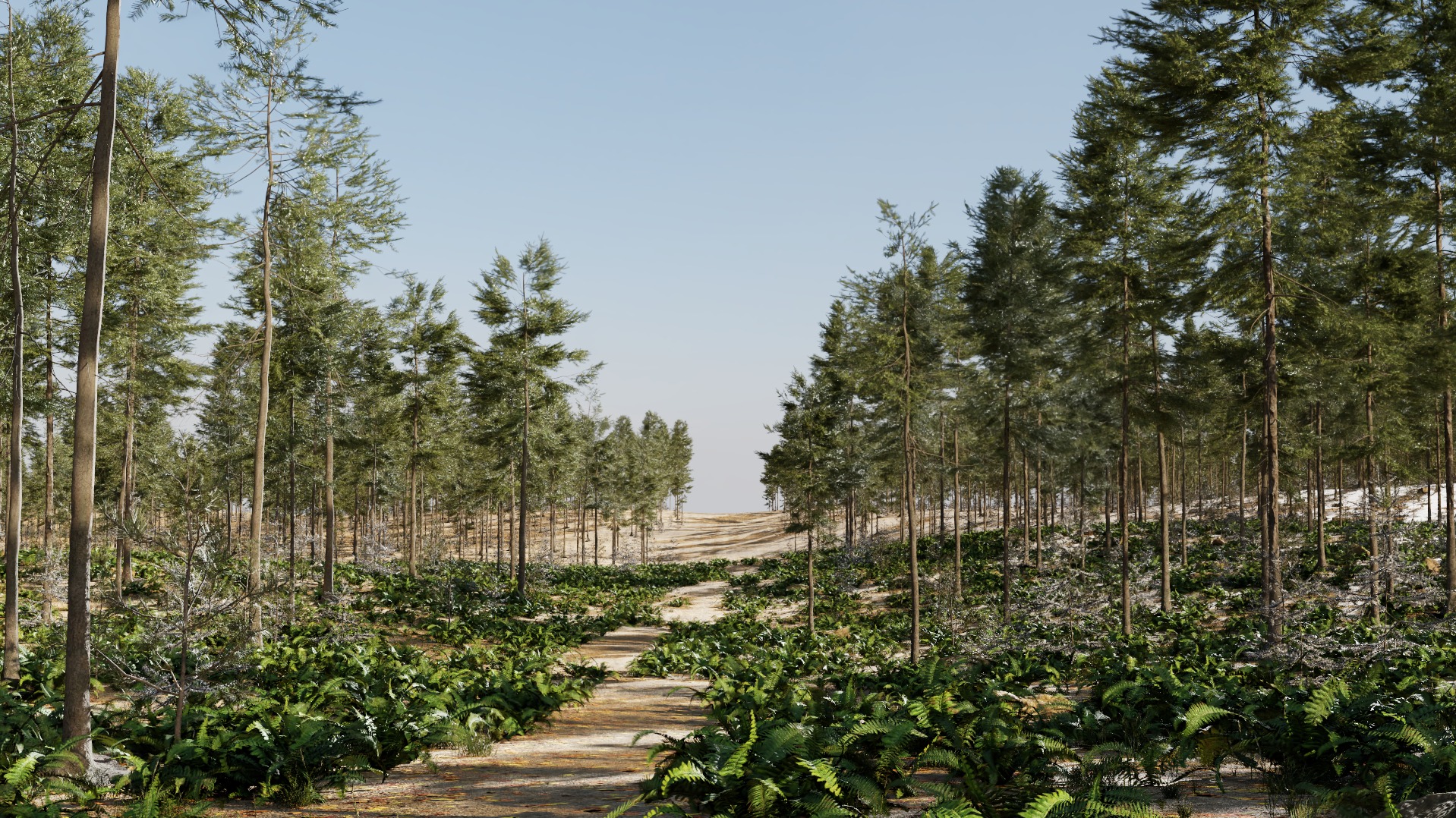
InstanceRender · 48,751 instances · 30 s on one GPU
Sydney Nuke User Group
What developing 20+
open-source tools taught me
From gizmos to renderers: building Nuke tools with AI, and a deep dive on InstanceRender
Marty Blumen
About me
Compositor, tool builder, photographer
Compositor
Senior Compositor at Crafty Apes Sydney.
20+ years in VFX: Fuel VFX, Framestore, Luma Pictures, and founder of RemoteVFX in New Zealand.
Spider-Man: No Way Home, Thor: Love and Thunder, Shang-Chi, Elvis.
Emmy Award, 2016: Outstanding Graphic Design & Art Direction. VES member.
Tool builder
Nuke tools, built with AI. Started in February 2026: small tools first, then renderers.
That's today's story.
Photographer
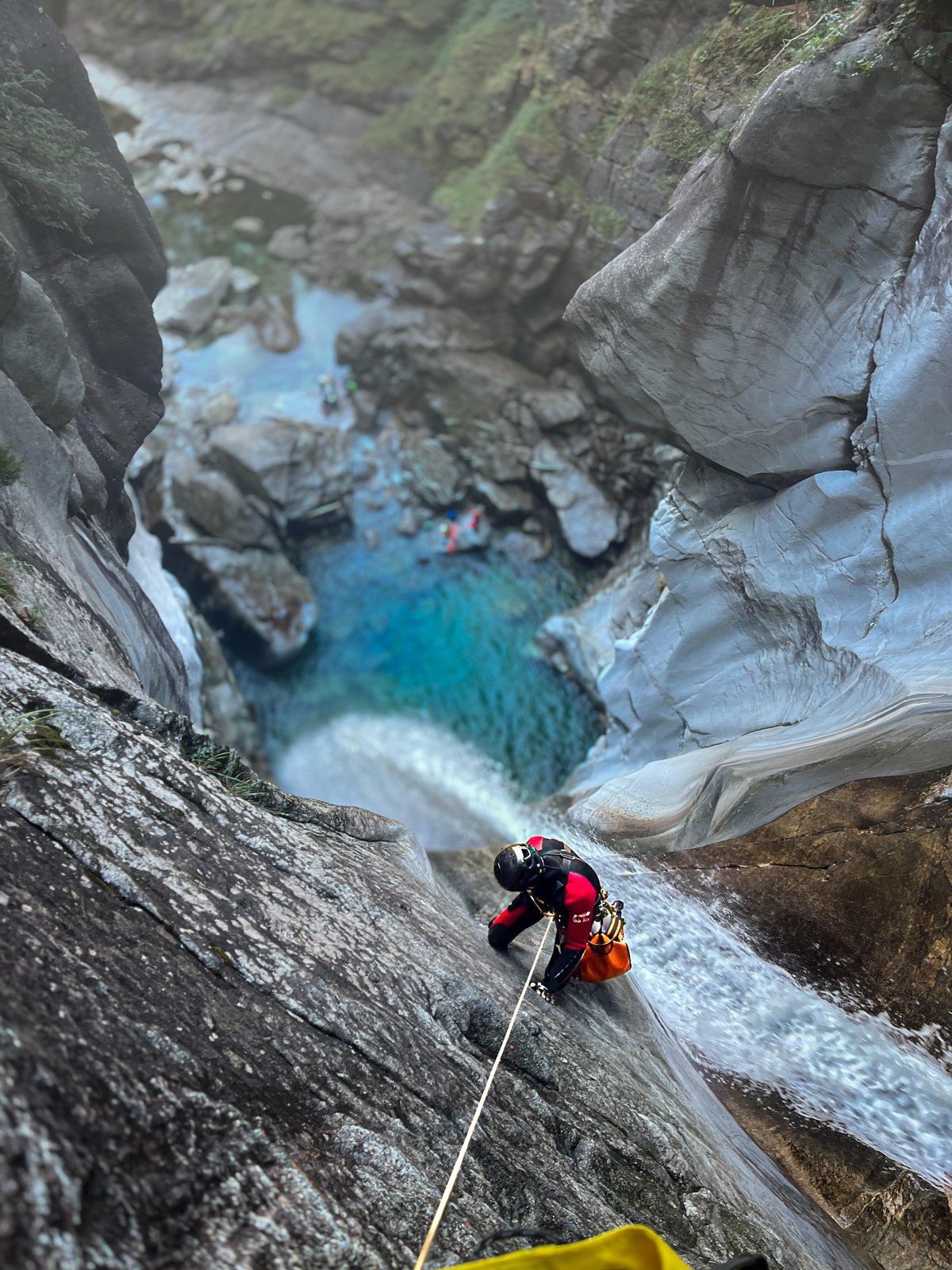
Adventure photography: climbing, canyoning and backcountry.
Grand Prize, Banff Mountain Photography Competition.
Published in National Geographic, Outside and New Zealand Geographic.

Marty Blumen · 02
About me · Where I work
Crafty Apes, now in Sydney
Full-service VFX house, founded in Los Angeles in 2011.
Credits: Stranger Things, Westworld, Moon Knight and The Last of Us.
These tools grew from years of production experience.
7 studios
Los Angeles, Atlanta, New York, London, Montreal, Vancouver and Sydney
Sydney · 2025
Features and episodic, for shows shooting locally and offshore
Adam Paschke, Creative Director & Senior VFX Supervisor

Marty Blumen · 03
The itch
I always wanted to build my own tools
Before AI
Years of tutorials, programming books and maths courses.
Beta testing Nuke and Houdini.
But no real tooling of my own.
My first try with AI
September 2025
I asked it to sort and organise the node graph neatly.
It failed. Miserably.
Five months later, in February, I tried again. It took off.
Marty Blumen · 04
Small tools, then bigger ones · 2026
Each tool taught the next
Feb
SoftBox v1
Soft shadows, faked with a grid of lights
Mar
VDBRender
Ray-marched volumes, inside Nuke
May
NukeDevRules
Not a tool, a process: every lesson written down. Now 57 NDK notes
Jun
pRefStick
A PRef pass from ScanlineRender
18 Aug
CopyToPoints
Scatter into a USD PointInstancer
19 Aug
InstanceRender
Renders what CopyToPoints makes
The tools grew
From one node to a renderer
I learnt
What to ask for, and how to test it
The AI models improved
Same idea, a better tool each time
Dates are each repo's first commit.
Marty Blumen · 05
The 20+ in the title
All 27 of them, so far
Renderers and lights
InstanceRender
VDBRender
SpectralRenderer
SoftBox
Outside Nuke
OptimiseCopy
LocalLama
3D and geometry
CopyToPoints
USDSubD
AttributePainter
SnapBake3D
nuke-mesh-simplify
pRefStick
TripoSRNuke
Comp
DeepThinner
SoftClipMerge
SpectralLensPro
PolarTransform
STMapExtension
STMapBBox
PaintFromRef
Roto and workflow
RotoExploder
RotoSimplifier
VisualLayerInspector
MarqueeBackdrops
PenTool
NukeDrawDots
Timebarmarkers
Spot a name you're curious about? Ask me afterwards.
Marty Blumen · 06 · All on github.com/bratgot
A few highlights
Small ideas, native nodes
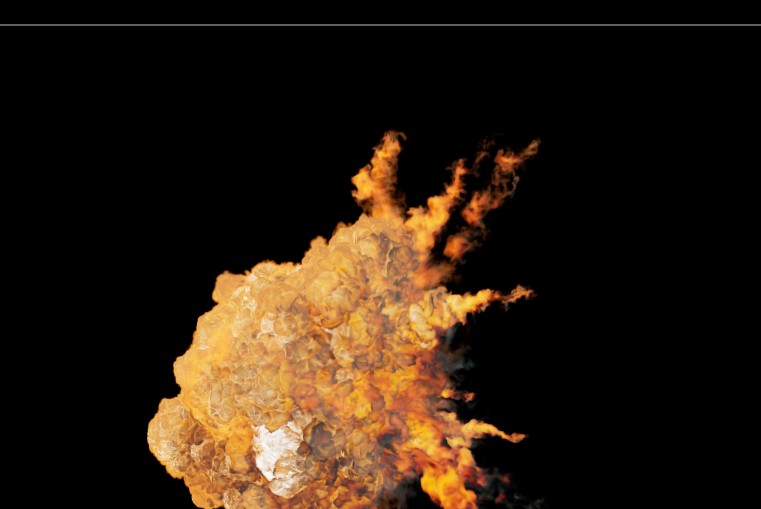
VDBRender
Ray-marches OpenVDB smoke and fire inside Nuke, with deep output and AOVs.
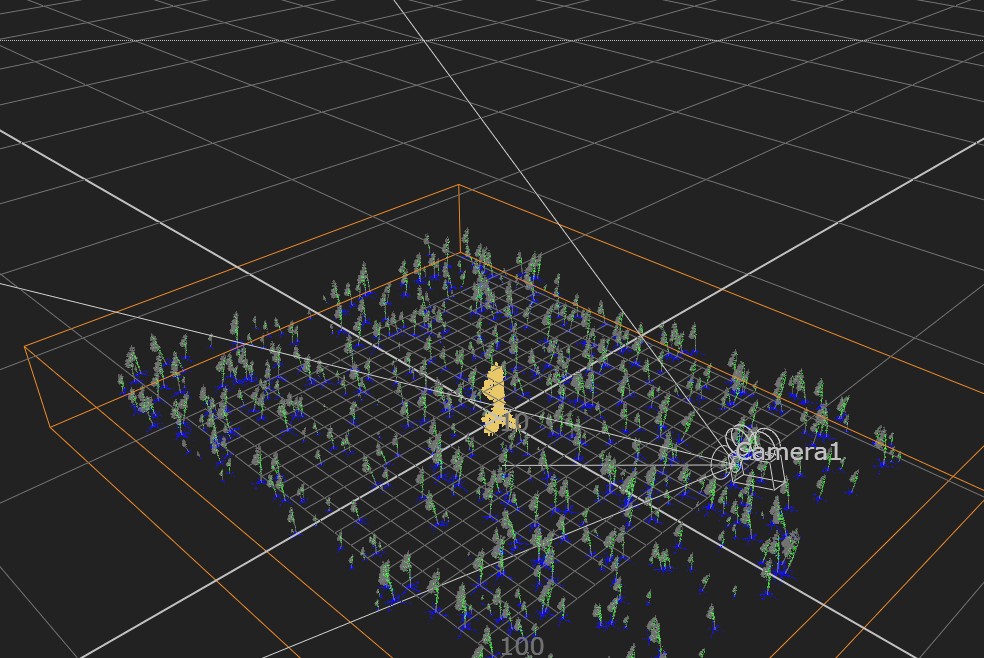
CopyToPoints
Houdini's Copy to Points for Nuke: thousands of copies of your geometry on particles or terrain, each with its own size, colour and variant.
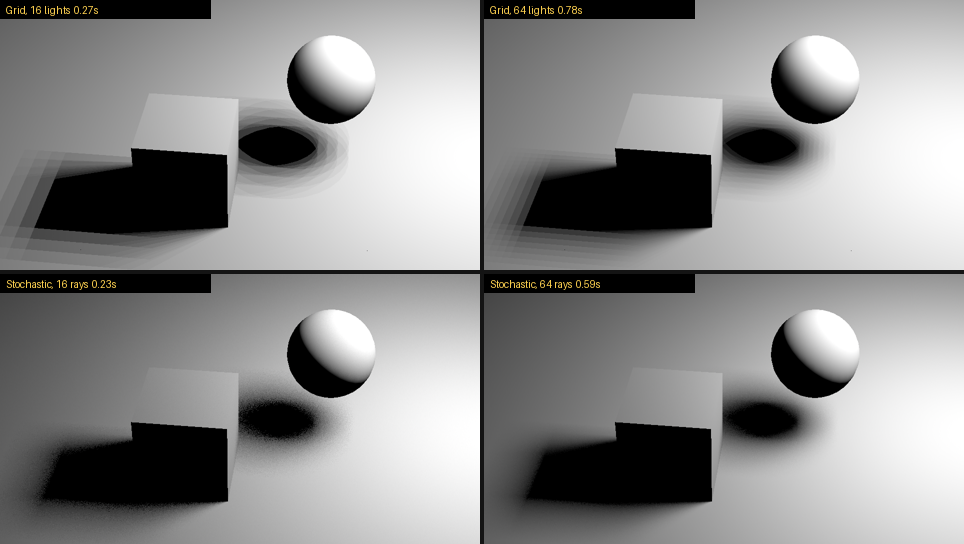
SoftBox
A real area light for ScanlineRender2: soft, physically based shadows from one light.
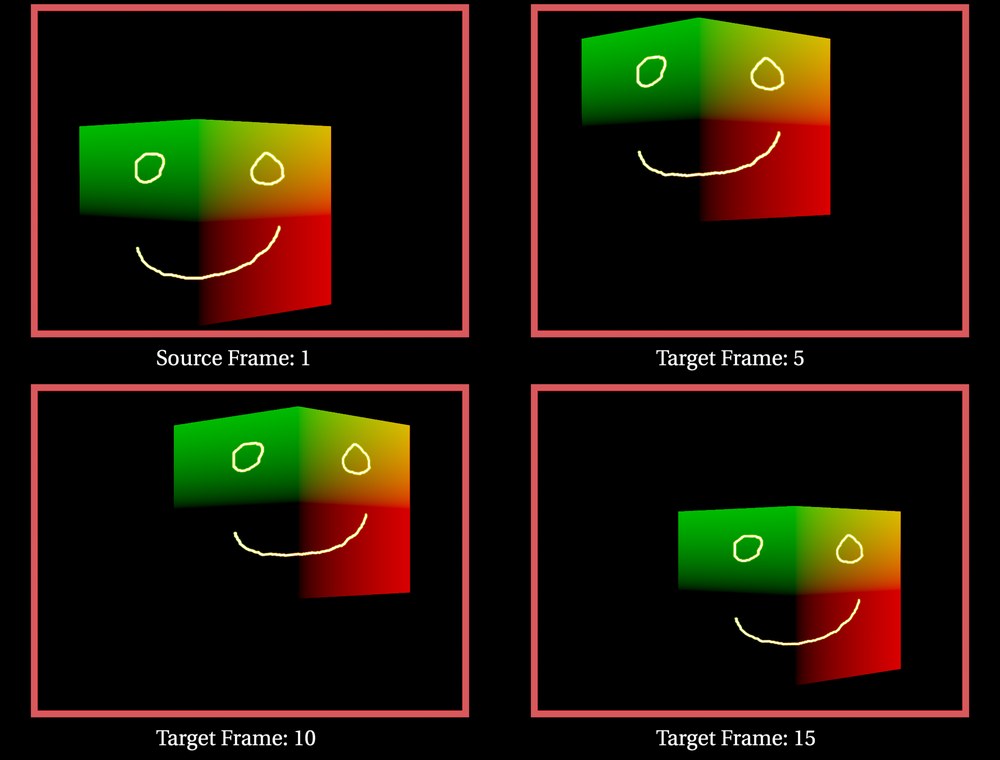
pRefStick
Makes ScanlineRender output a PRef pass, even from geometry with no UVs or rest positions.
Marty Blumen · 07
How the AI got better
SoftBox, seven months apart
v1.0 · Feb 2026 · Claude Opus 4.6
Fake it
A grid of hard-shadow lights. Banding, and every light adds cost.
v1.2 · Sep 2026 · Claude Opus 5.5
Find the hook
ScanlineRender2 loads light shaders by name, and has no RectLight. So write one: a true stochastic penumbra.
64 samples: 0.78 s → 0.59 s
Marty Blumen · 08
AI coding tools, for artists · mine is Claude Code
Describe the tool. It writes the code.
1
Open a terminal and ask it questions
VS Code or the desktop app work too.
2
Brief it like you'd brief a TD
"Build it for 17.1." Use the real terms. Quality in, quality out.
3
It works, and asks before it acts
By default, Claude Code asks before it changes a file or runs a command.
What it can reach
Your files
The build and git
Nuke, headless: Nuke -t
Your renders: it can look
The web
You know what right looks like. It knows how to build it.
Marty Blumen · 09
Lesson 1 · Quality in, quality out
Speak the field's language
The more you know, the more it amplifies you.
Vague
In its own terms
Tool
"Make the shadows softer."
Stochastic area-light sampling: rays to random points on a USD RectLight.
SoftBox
"Render loads of trees, fast."
Keep PointInstancer prototypes as instances in the BVH. Don't flatten.
InstanceRender
"The smoke looks wrong."
Ray-march the VDB density with Beer–Lambert transmittance and a Henyey–Greenstein phase function.
VDBRender
Marty Blumen · 10
Lesson 2 · How it was built
Close the loop so the AI checks itself
write
build
run in Nuke
read result
fix
claude · C:\dev\SoftBox · 25 Sep 2026, 09:05 to 09:10
$ cmake --build build --config Release --target slrRectLight
$ Nuke17.1.exe -t -i test\stoch.py
Claude: The log is empty, so illuminate() returns early or is never called. I'll log at function entry instead.
Marty Blumen · 11
A real capture · Claude Code · 24 Oct 2026
It shows you the diff, and waits
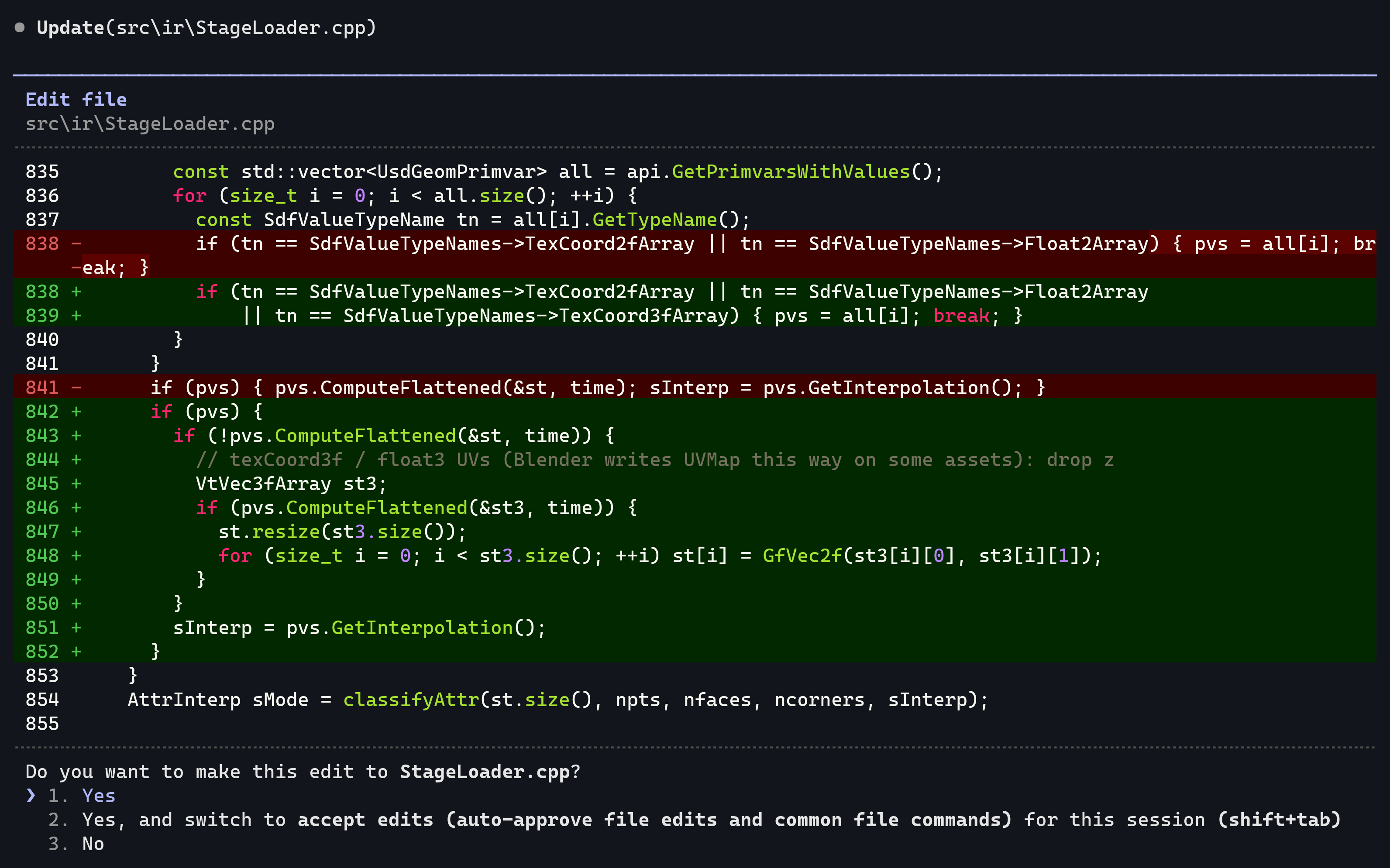
1 · My brief, in USD's terms
"Blender's USD export writes UVMap as a texCoord3f primvar … drop z. Keep the change small."
2 · Red out, green in
Nothing touches the file until I answer.
3 · It says what it didn't check
"It hasn't been compiled or tried on a Poly Haven asset yet."
Marty Blumen · 12 · Claude Code, Opus 5.5 · terminal recorded and redrawn cell for cell
Deep dive · InstanceRender
Keep the copies as copies
Flattened
triangles, 48,751 real copies
6.85 billion
Instanced
triangles: 33 prototypes + 48,751 matrices
8.2 million
HD at 256 spp in 32.6 s, with 5.4 GB of GPU memory, on an RTX 5060 Ti 16 GB.
19 Aug 2026
First commit
25 Sep 2026
Public release
6 Nukes
14.1 → 17.1
Marty Blumen · 13
Why render in comp at all?
Comp can take on more of the shot
Small studios, solo operators
No 3D department, or it's fully booked.
"Fix it in comp"
A late note: more trees or debris. No round trip.
Comp-ready out of the box
AOVs, Cryptomatte per copy and deep.
It lets comp take on a wider variety of tasks.
Marty Blumen · 14
How it works · all USD
One node writes the copies, the other renders them
1 · points
A surface
Terrain, a mesh, or points
2 · scatter
CopyToPoints
Scatter, pick a variant, rotate, scale
3 · USD
PointInstancer
Each prototype once, plus a transform per copy
4 · render
InstanceRender
One BVH per prototype, one over all the copies
5 · comp
Out to the comp
Beauty, AOVs, Cryptomatte, deep
Plain USD in between: a PointInstancer from Houdini or a USD file renders the same way.
The cover forest
4 PointInstancers
33 BVHs + 1 over 48,751 copies
built in 0.9 s
Marty Blumen · 15
The classic scatter setup · Nuke 17.1
The forest, built in Nuke
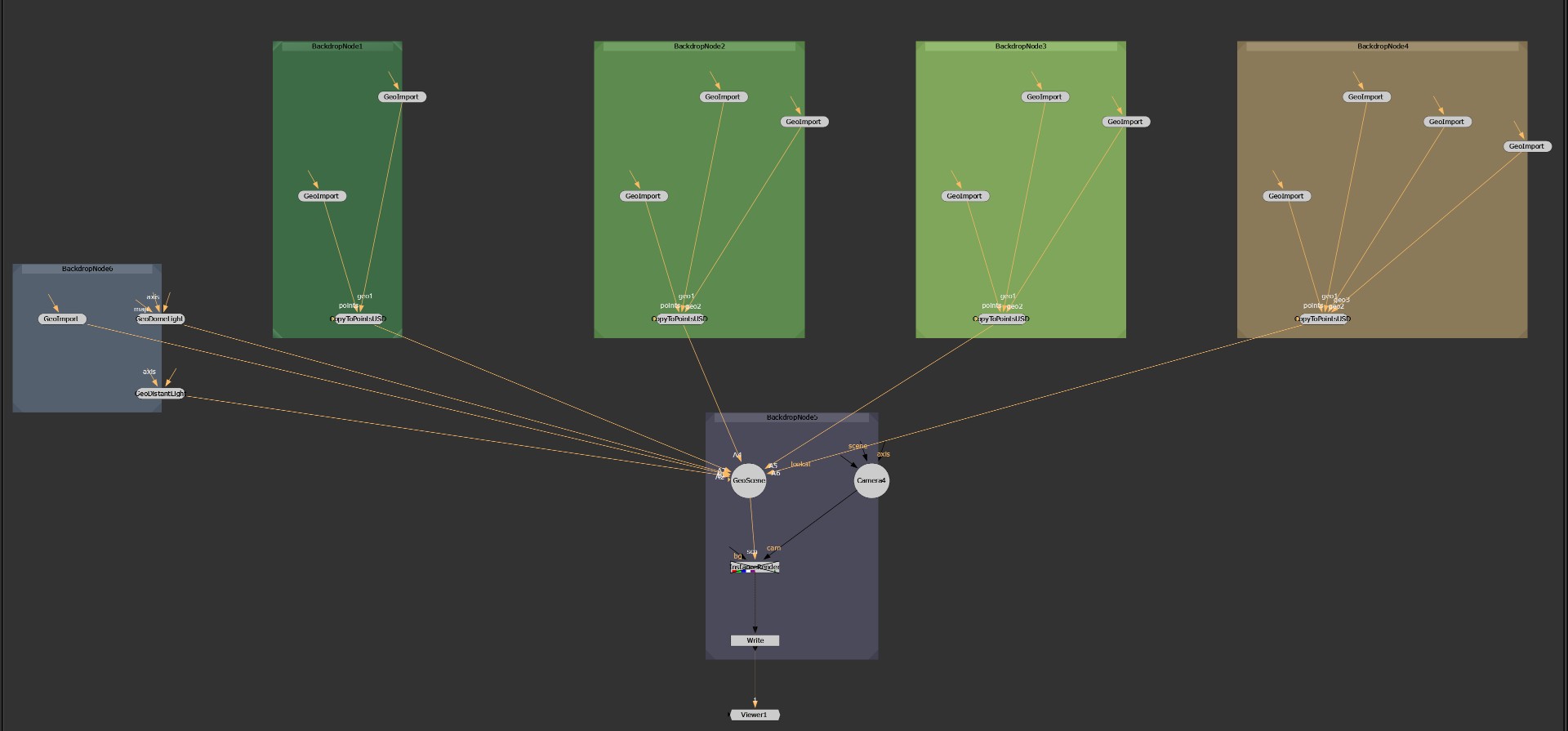
The node graph: terrain + sky, four scatter layers, render.
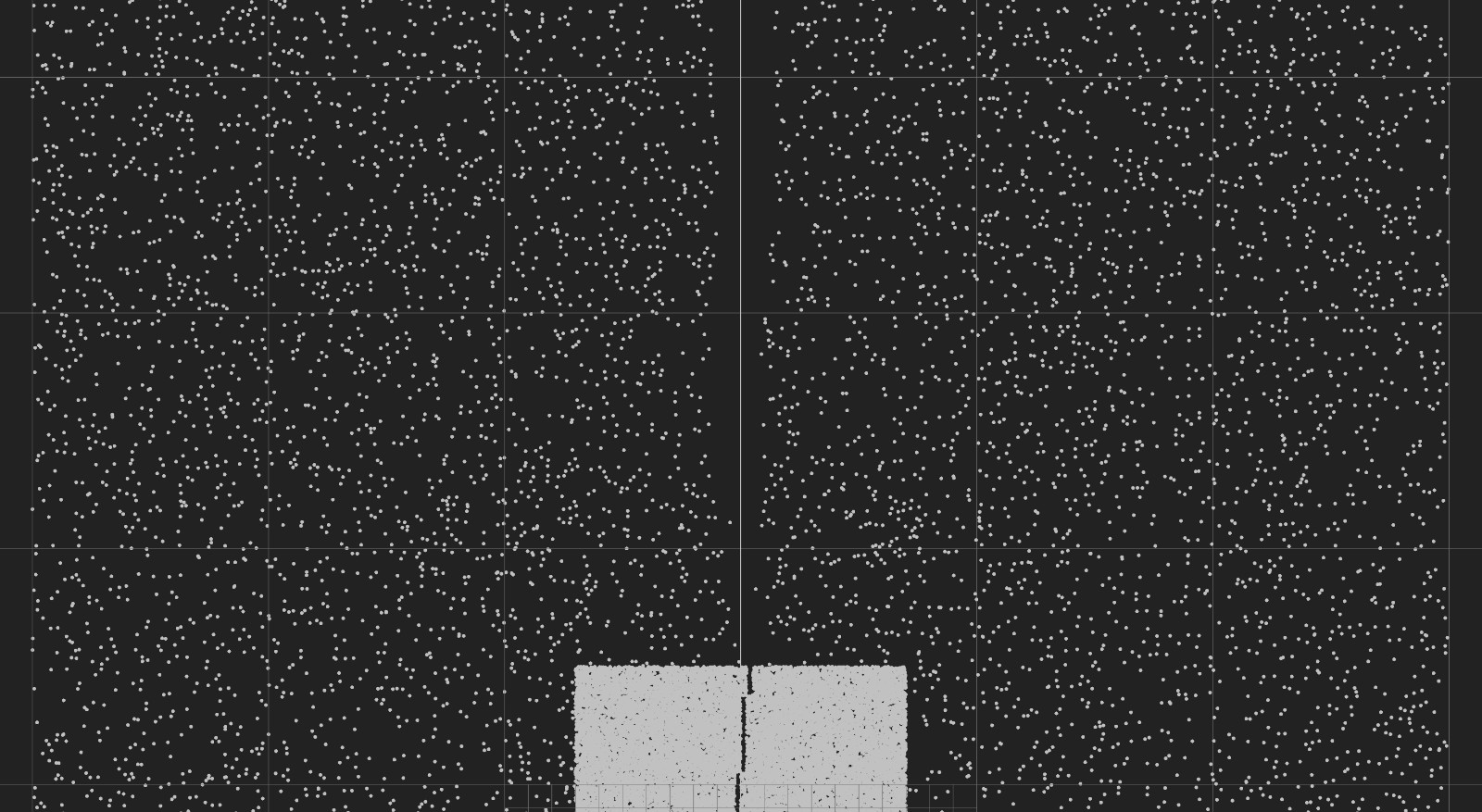
The 3D viewport, from the top: one dot per copy.
Terrain
600 m, forest-floor texture
4 scatter layers
CopyToPoints, one PointInstancer each
32 variants
Poly Haven Pine Forest, CC0
HDRI + sun
GeoDomeLight, GeoDistantLight
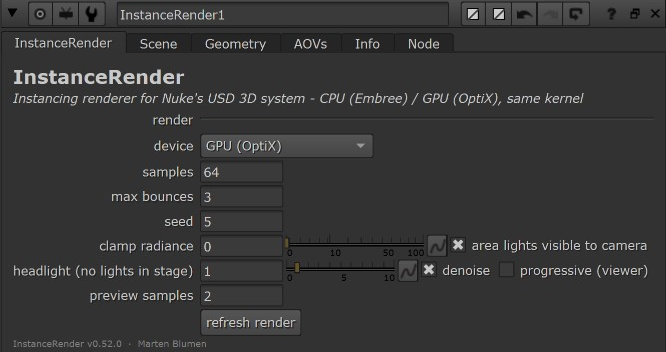
InstanceRender
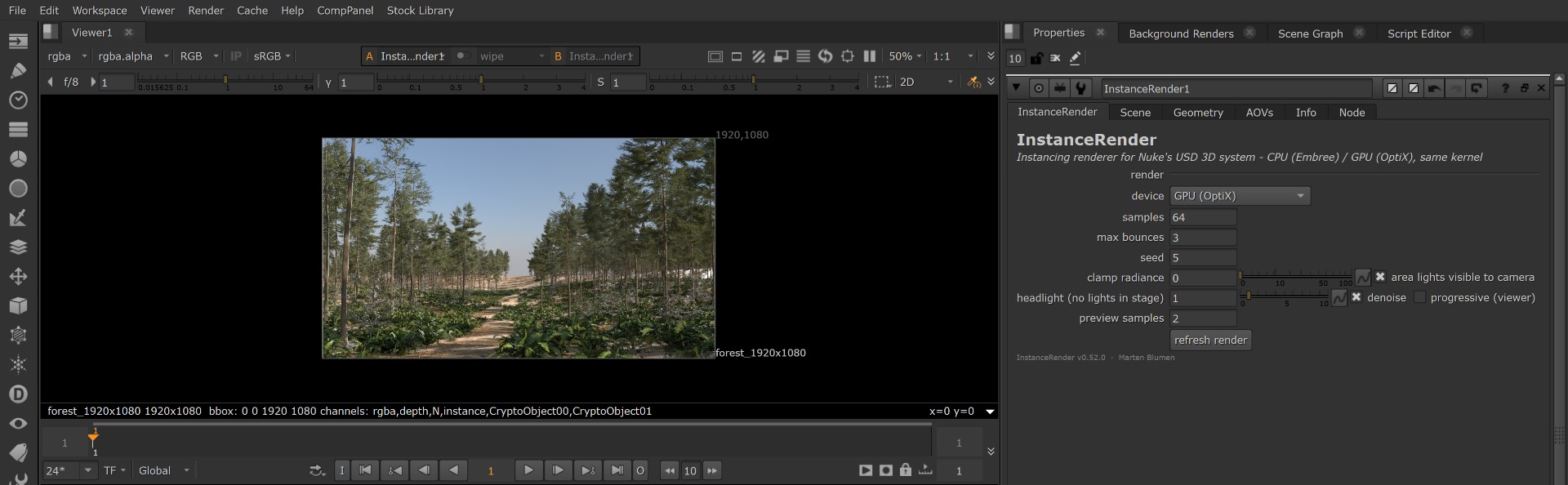
1920 × 1080, 256 spp: 33 s, 5.4 GB on one GPU
Marty Blumen · 16
InstanceRender · 4K fly-through · motion blur · 10 s
Down through the trees
Marty Blumen · 17
Marty Blumen · 18
InstanceRender 0.53 · wireframe pass
Every triangle it traced
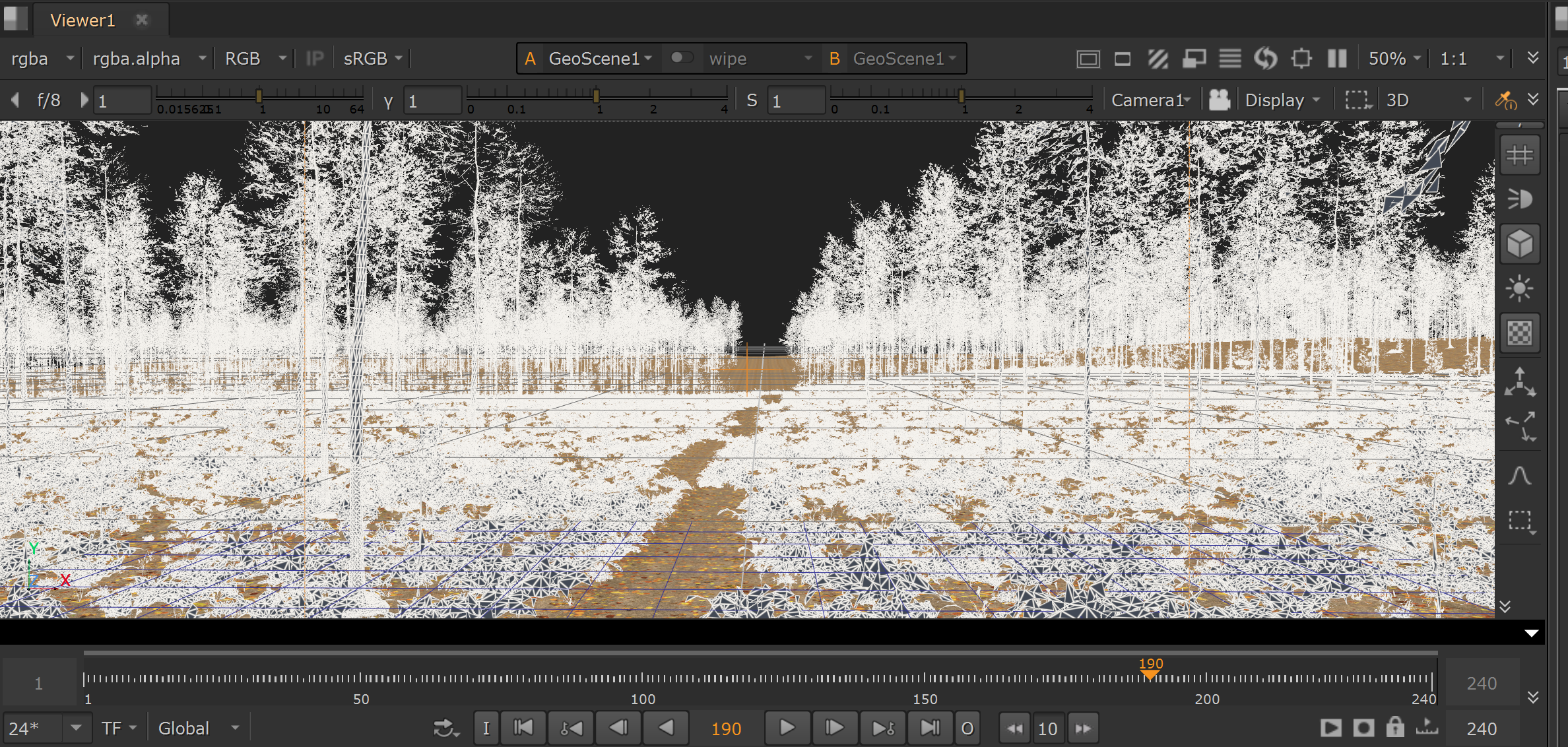
Nuke viewport · proxies, ~20k triangles a tree
wireframe.red
beauty
Marty Blumen · 19
In the comp
What you get as an artist
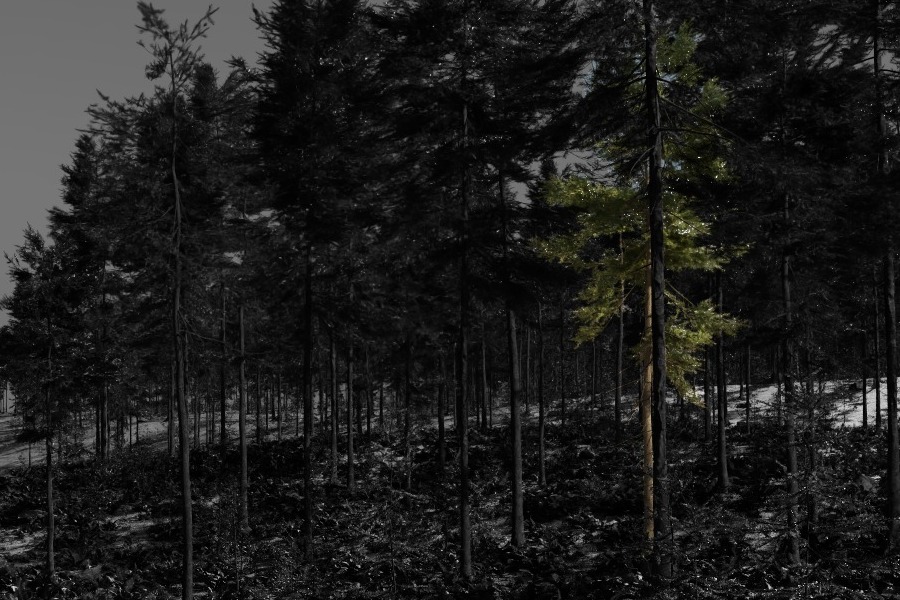
One copy out of 48,751
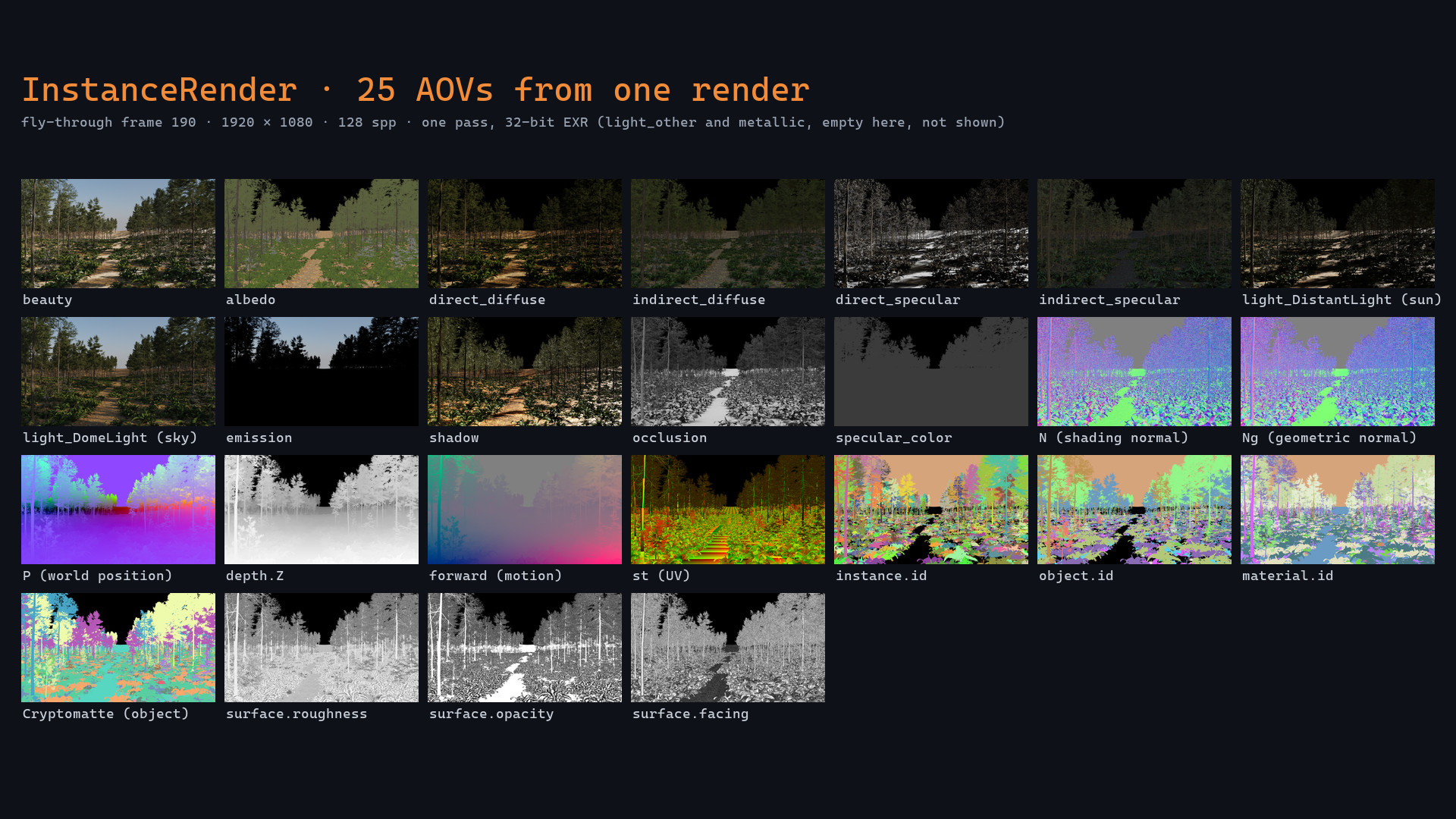
Every copy has its own ID and Cryptomatte, per object and per material too.
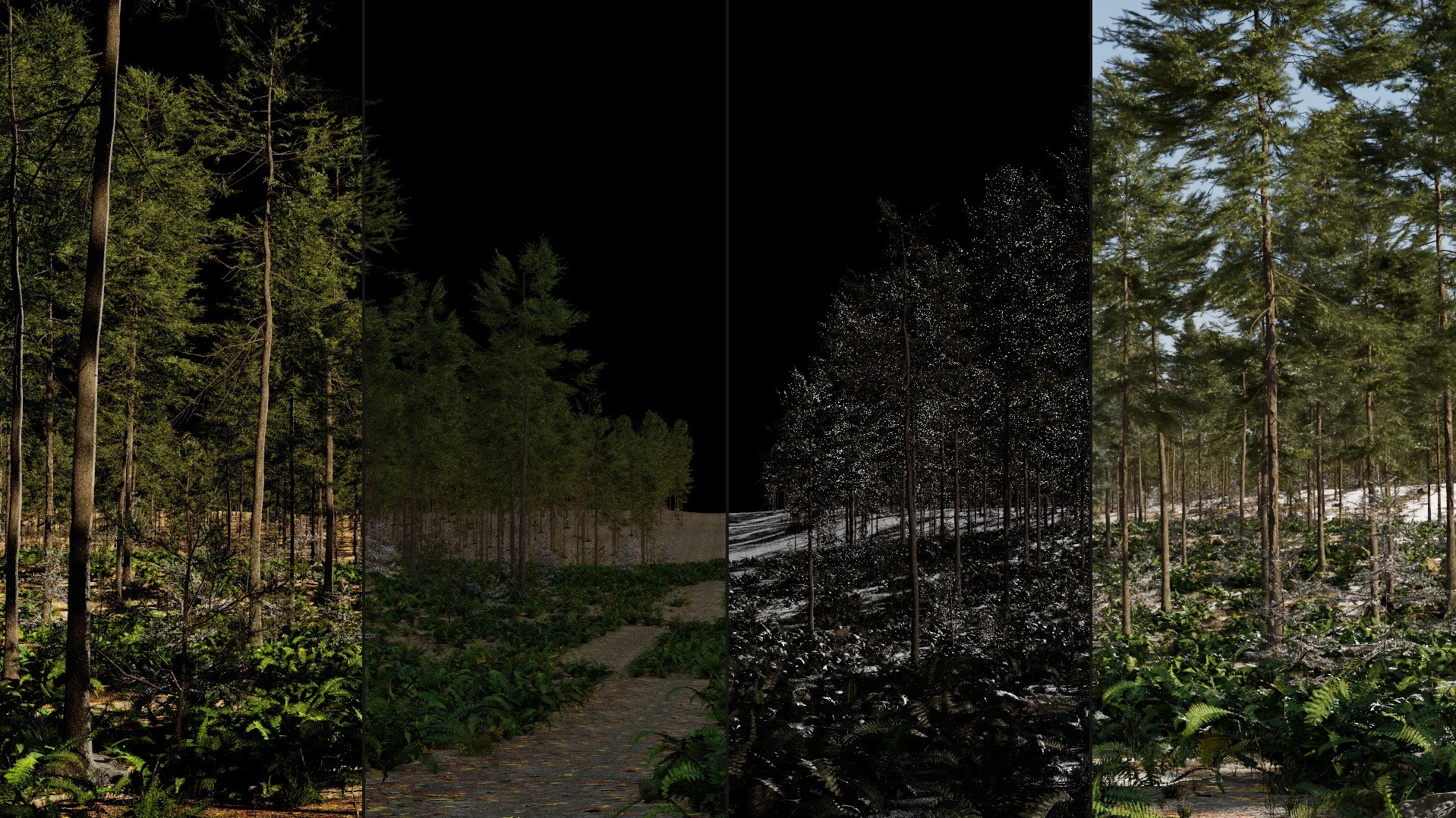
Light split AOVs
Diffuse, specular, direct, indirect and emission add back up to the beauty exactly.
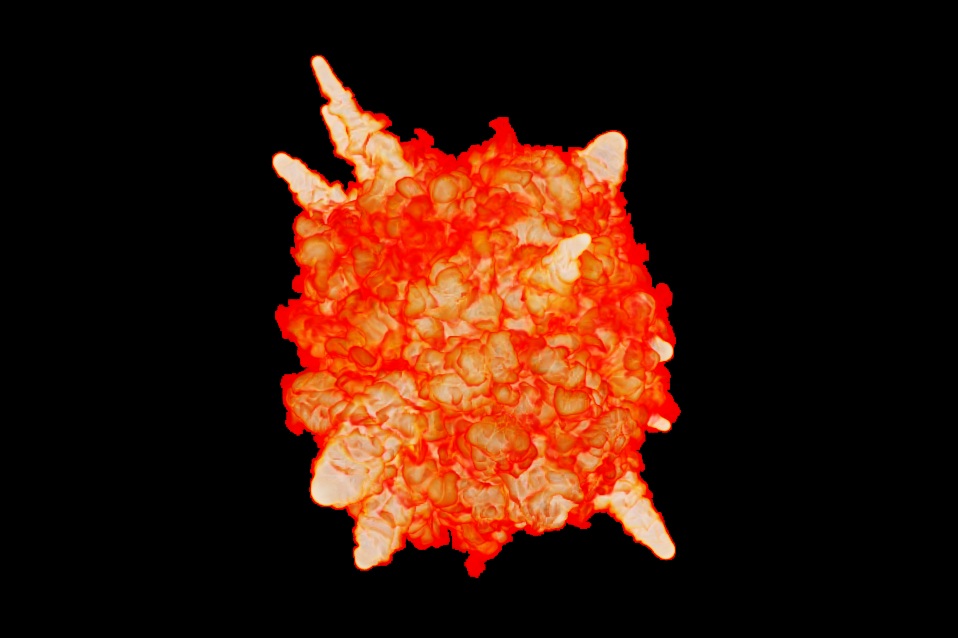
Deep + VDB volumes
Read a sim's temperature grid as blackbody Kelvin, not a guessed brightness.
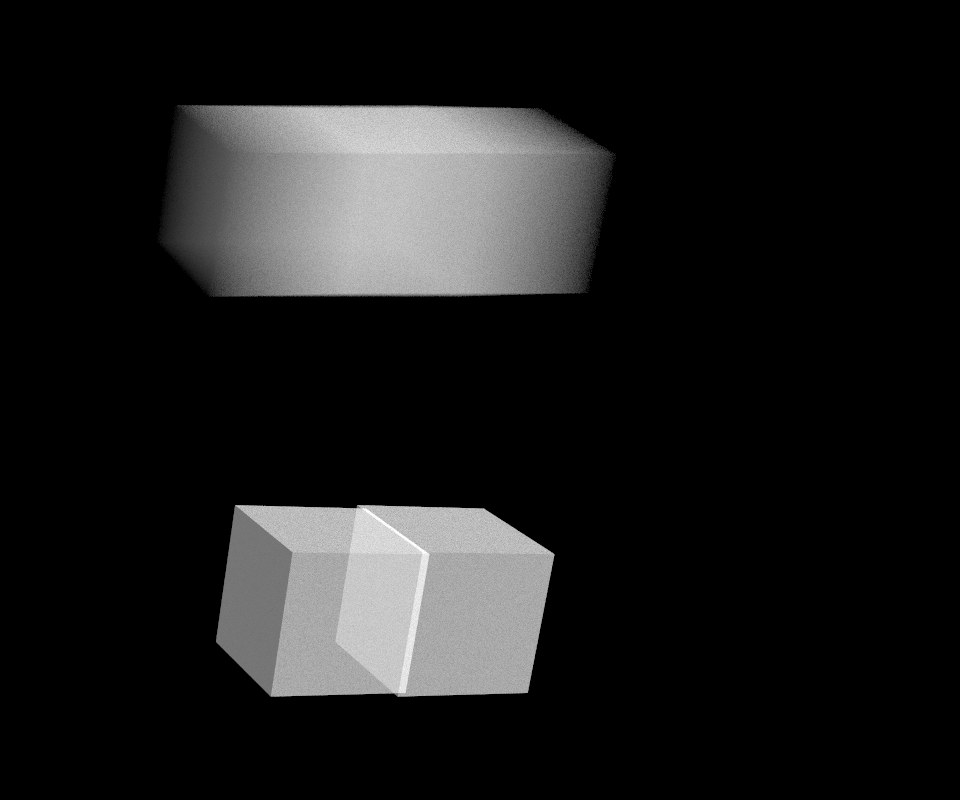
Motion blur, two ways
Smooth by default (top). Or ScanlineRender's stepped look (below), to match shots already rendered in Scanline: a 174 px streak to its 175.
Marty Blumen · 20 · Explosion sim: JangaFX EmberGen (CC0)
Lesson 3 · War story
The GPU had no shadows. The test passed.
CPU · Embree
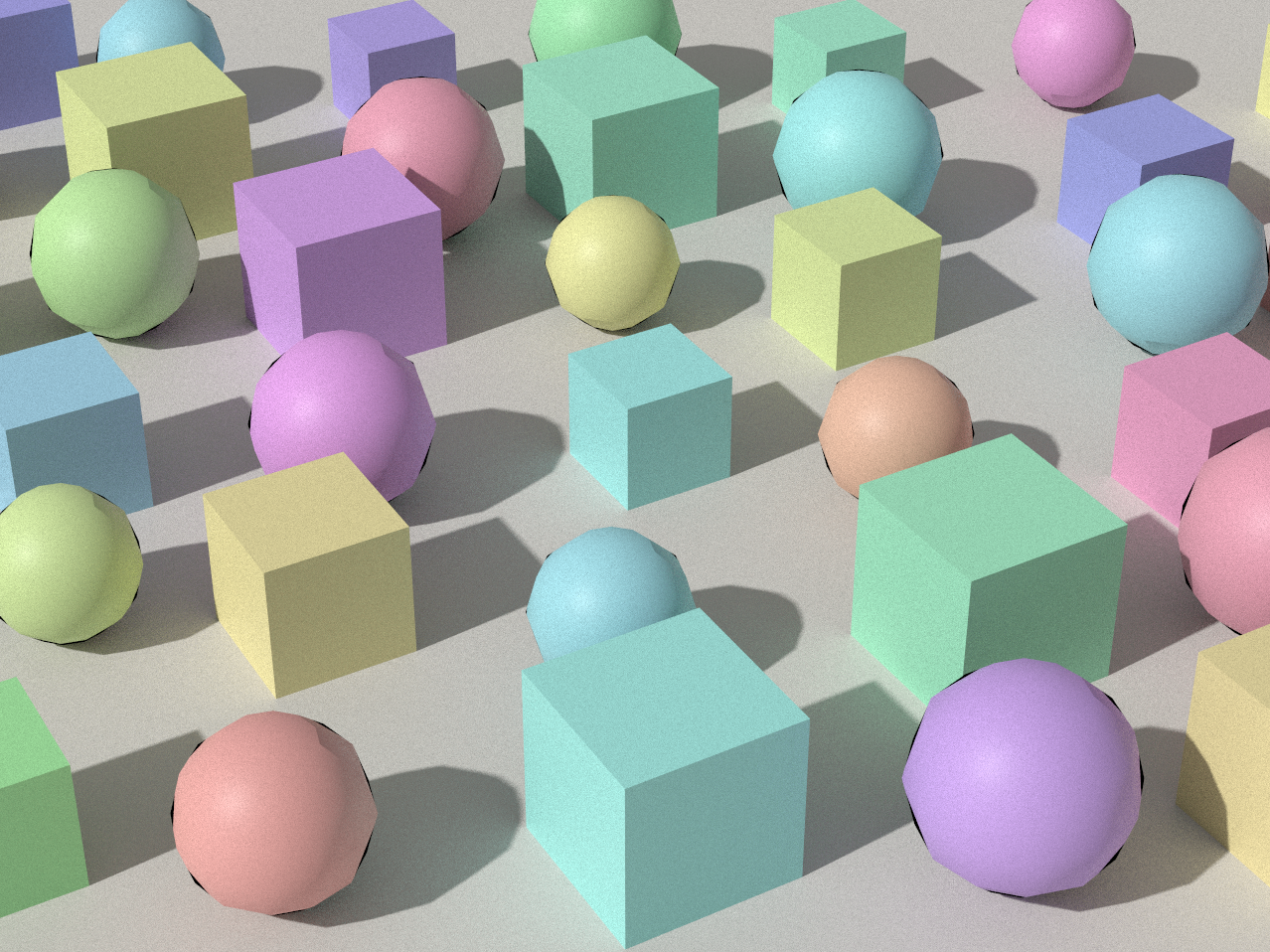
GPU · OptiX, day one
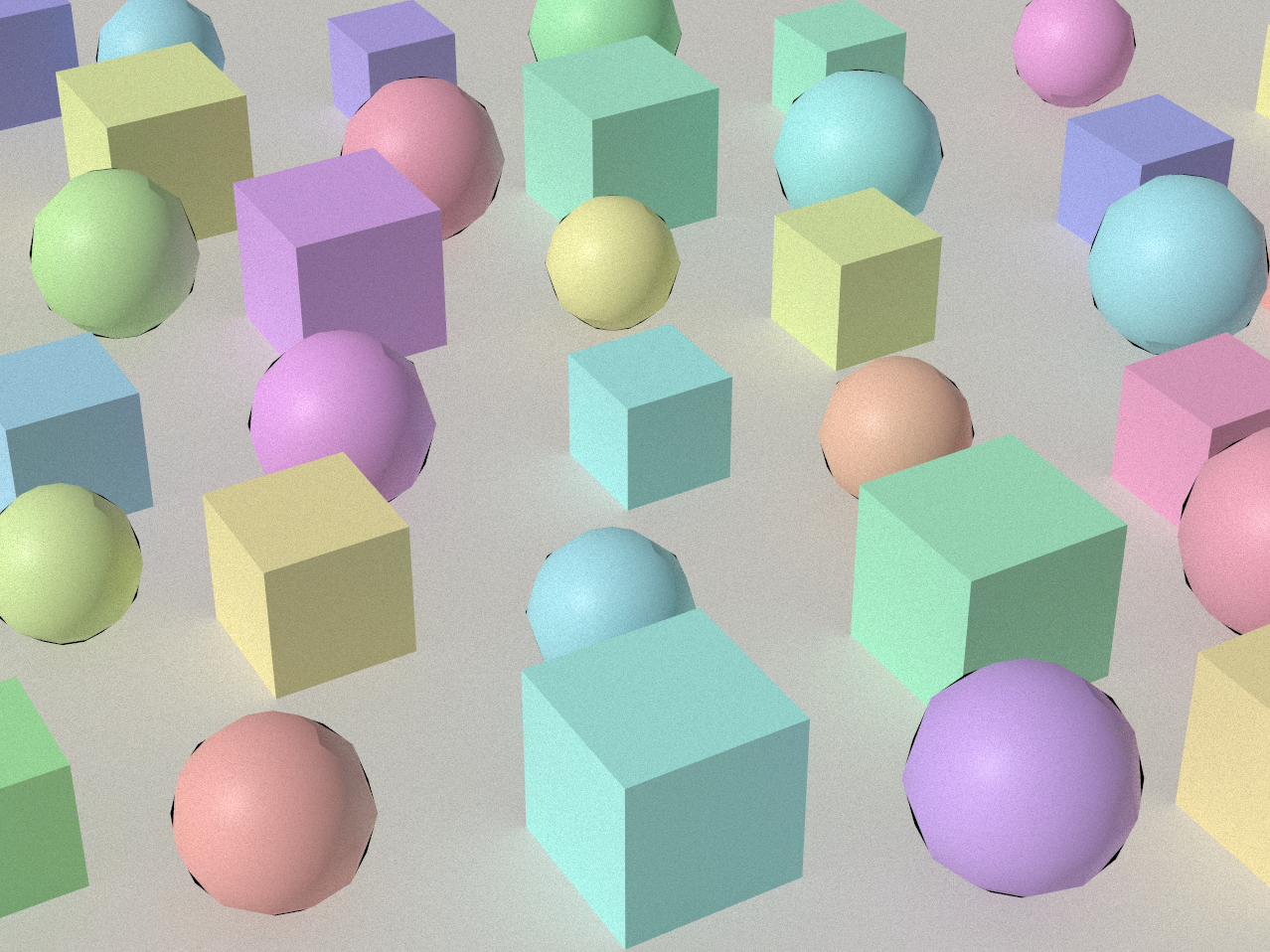
The light sat on the camera axis, so every shadow hid behind its object.
A test that can't fail proves nothing.
Marty Blumen · 21
Lesson 4 · What it's good at
The code is good because it tends toward the mean
Where the mean is right
CMake and build scripts
Qt panels and knobs
USD and OpenVDB plumbing
Tests, READMEs, release zips
Where there is no mean
uses_input() must never return 0
getenv() is empty inside Nuke
light shaders load by name
Where it excels
Small, targeted tools, where you don't need 100%
Much harder
Broad tools for the public. Doable, but ~80% more time
It writes what most good engineers would write. Your shot isn't most shots.
Marty Blumen · 22
Lesson 5 · AI isn't magic
A super-smart assistant, full of confidence
What every agent says
"Done. All tests pass. It's working correctly."
Agents tell you they've done it right, every time. Sometimes they have. The GPU with no shadows passed its test too.
VFX checks it has to survive
Pixel-exact against a reference
AOVs that sum to the beauty
Motion that lands on the next frame
Six Nuke versions, every one
A shot has to look right. A tool has to be right, on every shot.
Marty Blumen · 23
Not a real transcript. Mostly.
All tests pass
Marty Blumen · 24
What to call it
Vibe coding vs agentic engineering
Karpathy · Feb 2025
Vibe coding
"Forget that the code even exists."
Trusts the output
Raises the floor: anyone can build
Karpathy · Feb 2026
Agentic engineering
You orchestrate the agents, and oversee what they make.
Verifies the output
Raises the ceiling: experts ship far more
Everything today was the second one.
AI accelerates the skills you already have.
Marty Blumen · 25
Lesson 6 · The human in the loop · from another of my projects
I asked it to split the blur into X and Y
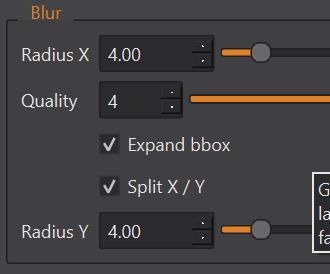
Spot the problem?
The agent was happy. Every knob is there, they all work, and the tests pass.
Marty Blumen · 26
Lesson 6 · The human in the loop · from another of my projects
I asked it to split the blur into X and Y
X up here
Y way down here
To the agent
Two knobs, both present, both correct. Done.
To an artist
WTH? X and Y belong side by side, like Nuke's size knob with its split button. Not three rows apart with the toggle in between.
It can't feel what's wrong. You can.
Marty Blumen · 27
It's not just me · what got built in 2026
The whole industry is building new tools
Nuke 17 · Feb
BigCat
Trains ML across a whole show, not one shot.
Foundry · Feb
Griptape
AI agents, bought to plug into Nuke over MCP.
Open source · Apr
ComfyUI
A node graph for AI, with 4 million users.
Runway · 2026
Aleph
Edits shot footage: relight, swap objects, clean a plate.
Anthropic · Oct
Claude Motion
Motion graphics as code: change one word, the rest stays.
What I use · 2026
Coding agents
The tasks they finish alone keep doubling in length every few months.
AI is going into our tools, and it's helping us build our own.
Marty Blumen · 28 · Sources: Foundry · blog.comfy.org · Runway · Anthropic · METR
Try any of these tomorrow
What 20+ tools taught me
Think like an engineer:
Ideate
→
Iterate
→
Test
1
Speak the field's language
2
Close the loop: headless tests, a gotchas file
3
Every test must be able to fail
4
Start small and targeted
5
Measure, and check everything
6
Stay in the loop yourself
The AI wrote the code. I decided what "right" meant.
Marty Blumen · 29
Thanks
This is my journey. I hope it inspires you to take the leap, especially now, in this new age of AI.
The most exciting time in our industry, if you grasp it. Whatever your friction is, try it there.
Everything is open source
Nuke tools · Nukepedia and github.com/bratgot
InstanceRender · Nuke 14.1 – 17.1 · MIT · nukepedia.com/tools/plugins/3d/instance-render-cpu-gpu
Marty Blumen · martyblumen.com